



Education goes far beyond reading books in a classroom. Physical activity plays a huge role in shaping a young mind. Understanding the importance of sports is essential for every parent and student. A healthy body creates a sharp mind. Let us explore why games are a huge part of growing up.
What Is the Importance of Sports?
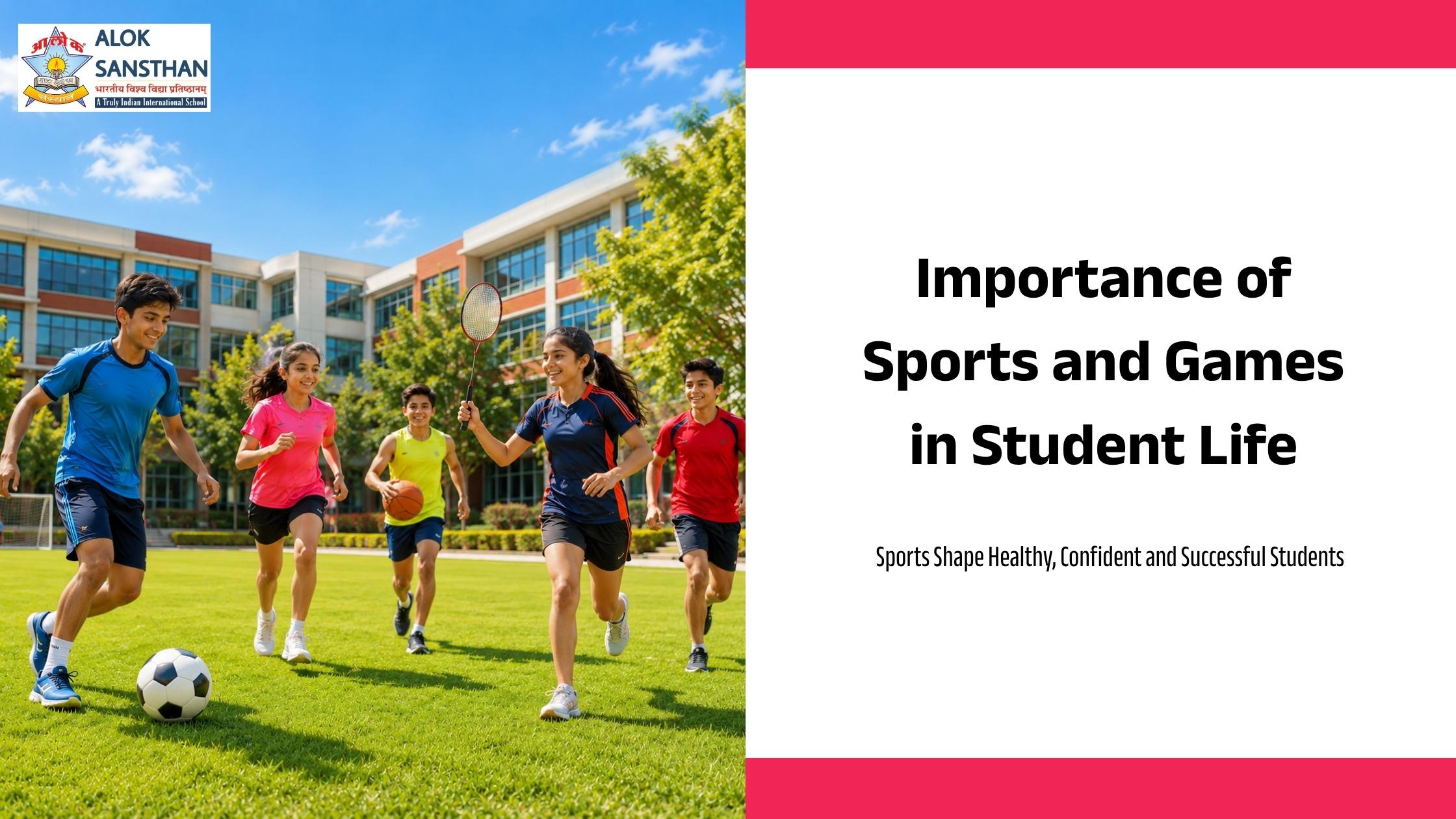
To truly grasp this topic we must look at what happens when a child steps onto a playground. The importance of sports and games lies in their ability to develop a person completely. It is not just about running fast or scoring goals.
Sports teach us how to live a healthy lifestyle. They bring movement and joy into our daily routines. When students play games they learn how to interact with the world around them. They learn rules, fairness and respect.
Think about a child who spends every evening playing outside. That child is not only becoming stronger but also learning lessons that no classroom can fully teach. In simple words sports prepare young people for the heavy challenges of real life. They build a strong foundation of physical and mental strength that lasts forever. A child who learns to fall and get back up on a football field will do the exact same thing when they face a tough situation in their career twenty years later.
Importance of Sports and Games in Student Life
School life is the absolute best time to build good habits. The role of sports in student life is huge because children are still growing. Their bodies and brains need constant stimulation to develop properly.
Every student should play sports because it breaks the boring routine of sitting at a desk all day. It gives them a valid reason to step outside and breathe fresh air. Games provide a safe space for students to fail, try again and eventually succeed.
Many parents notice that a child who plays regular sports grows up to be a more balanced and active adult. They learn early on that effort brings results. Sports for students are just as important as math or science. You cannot expect a child to absorb complex academic formulas if their body feels tight and restless from sitting on a chair for eight hours. Physical movement unlocks their potential.
Physical Benefits of Sports
The most obvious advantage of playing games is physical fitness. A growing body needs constant movement to become strong. Teachers often observe that active kids simply look healthier and carry themselves better.
Better fitness all around
Regular movement keeps the body in great shape. Children who play sports rarely face issues with childhood obesity. Their muscles develop properly and their stamina increases day by day. You will see them running up a flight of stairs without even catching their breath.
Building very strong bones
Activities like running, jumping and stretching put a healthy amount of pressure on bones. This pressure helps build bone density. Strong bones in childhood prevent many joint problems in older age. A child who jumps to catch a basketball is literally building a stronger skeletal system.
Creating a healthy heart
Cardio activities make the heart pump faster. Running across a field or playing a quick game of badminton strengthens the heart muscles. A healthy heart ensures better blood flow to the entire body. This means more oxygen reaches every single organ.
A much better immunity system
Active kids fall sick less often. Sweating helps release toxins from the body. Regular exposure to fresh air and physical exertion builds a strong immune system to fight off common illnesses. Students who play outside miss fewer school days because their bodies know how to fight off basic seasonal fevers.
Feeling more energy daily
It might seem strange but spending energy on sports actually creates more energy. Exercise releases good chemicals in the body. This leaves students feeling energetic and fresh for the rest of the day. Instead of feeling sleepy after school they feel awake and ready to take on their evening tasks.
Mental and Emotional Benefits
The benefits of sports and games are never limited to the body alone. They deeply impact a student’s mind and feelings. Mental health is a big topic today and physical activity is one of the easiest ways to protect it.
Natural stress reduction
Exams and homework can cause a lot of heavy stress for young minds. Playing a game is the best way to relieve this pressure. Sweating out stress on a field helps students relax. A teenager worried about a math test can kick a football for an hour and suddenly feel much lighter and ready to study.
A sharper better focus
Physical activity clears the mind of unnecessary thoughts. When a student plays a sport they must focus on the ball or the opponent. This trains their brain to concentrate on one thing at a time. That same focus translates to reading a textbook without getting distracted.
A much better memory
Exercise increases blood flow to the brain. This helps build new brain cells. A healthy brain can remember lessons and facts much faster and more clearly. Parents often see their children remembering complex historical dates much easier after a good evening play session.
Learning positive thinking
Sports teach children that losing is just a normal part of the game. They learn to accept defeat with a smile and try harder next time. This builds a very positive and hopeful mindset. A student who loses his first cricket match may feel disappointed. After practicing for a few weeks and winning his next match that same student learns that success comes from patience and effort.
Finding emotional balance
Physical activity allows children to release extra energy and frustration safely. Hitting a ball or running fast gives them an outlet for their emotions. This results in calmer and happier children at home. They sleep better and wake up with a much better mood.
How Sports Improve Academic Performance
Many parents worry that sports will distract their children from studying. The exact opposite is true. Sports and education actually support each other beautifully.
Ability to concentrate better
A child who has played outside for an hour will sit quietly at their desk. Their body is tired in a good way which helps their brain settle down. This leads to much better concentration while studying. They do not fidget or look out the window because their physical energy has already been spent.
Improve classroom performance
Regular sports make students more alert and awake. They listen better to their teachers and participate more actively in class discussions. Alertness naturally leads to better grades. A student who is physically active is rarely the one falling asleep in the back row.
Build smart time management skills
A student who plays sports has less free time. They must balance their practice sessions with their homework. This forces them to learn how to manage their time wisely from a very young age. If they know they have football practice at five o’clock they will make sure to finish their science homework by four.
Stay motivated to win
Setting goals on a field teaches children how to chase success. When they achieve a goal in sports they want to experience that same success in their exams. This inner motivation drives them to study harder. Winning becomes a habit they want to apply everywhere.
Life Skills Students Learn Through Sports
A sports field is the greatest classroom for life skills. Books teach facts but games teach character.
Deep discipline
When a student joins a team they must follow a strict schedule. They have to show up on time and listen to the coach. This routine builds immense discipline that carries over into their studies. Waking up early on a cold morning for swimming practice builds a work ethic that lasts a lifetime.
Strong leadership skills
Every team needs a captain. Sports give students the chance to lead others, make quick decisions and take responsibility for their team. These leadership skills are highly valued in the professional world later in life. A quiet student often finds their loud confident voice when they are asked to lead a team.
Real teamwork
No one can win a match alone. Students learn to pass the ball and trust their teammates. Teamwork teaches them how to cooperate with different types of people to achieve a common goal. Two students who never speak in class might become the best defensive duo on a basketball court.
Unbreakable confidence
Learning a new physical skill gives a massive boost to self-esteem. When a child finally hits a big shot or scores a hard point they feel proud. This confidence shines through in their personality development. A confident child speaks clearly, looks people in the eye and is never afraid to ask questions in class.
Taking true responsibility
Players must take care of their sports equipment. They are responsible for their own fitness and their role on the team. This teaches them to take ownership of their actions. If they forget their shoes they cannot play. They learn quickly that their actions have direct consequences.
Fast decision making
During a fast game players must make choices in seconds. Should I pass the ball or shoot? This trains the brain to analyze situations quickly and make confident decisions. This split-second thinking helps them immensely during timed school examinations.
Clear communication skills
Players constantly talk to each other on a field. They shout instructions and encourage their friends. This improves their ability to communicate clearly and loudly. You will rarely find a regular sports player who is afraid of public speaking.
Setting and hitting goals
Every sport is about reaching a goal. Whether it is winning a tournament or just running faster than yesterday. Students learn how to set targets and work hard to achieve them. They learn the step-by-step process of turning a dream into reality.
Indoor Sports vs Outdoor Sports
Both types of sports offer unique benefits and students should enjoy a mix of both.
Indoor sports like chess, table tennis and badminton are excellent for mental sharpness. Chess builds high-level strategy and patience. Table tennis requires incredibly fast reflexes and focus. Indoor sports are great because they are not affected by bad weather. Students can play them all year round without worrying about rain or extreme heat.
Outdoor sports like cricket, football and basketball are vital for physical stamina. They require large open spaces and involve lots of running. Outdoor games expose children to sunlight which provides Vitamin D. They also teach children how to handle different ground conditions and weather.
Enjoying both indoor and outdoor activities gives a student a perfectly balanced physical routine. They get the brain training of indoor games and the heavy physical workout of outdoor games.
Why Schools Should Encourage Sports
A school is a place of complete learning. Schools must give equal importance to both academics and physical education.
When schools encourage sports they create a very positive and energetic environment. Students look forward to coming to school because they love their physical education periods. It reduces absenteeism and keeps the campus lively. A school without the sound of children playing in the background feels incomplete.
Schools that host sports tournaments also build a strong sense of pride among their students. Representing a school team gives children a sense of belonging. Schools with good sports programs often produce students who excel in all areas of life.
How Parents Can Encourage Children to Play Sports
Parents play the most important role in building a child’s habits. Encouraging physical activity must always start at home.
The best way to start is by leading by example. If parents go for a walk or play a sport on weekends children will naturally copy them. Buy basic sports equipment like a football, a skipping rope or a pair of badminton rackets for the house. Leave them somewhere easily visible so the child is tempted to pick them up.
Praise their effort rather than just focusing on winning. If a child plays well but loses a match tell them you are proud of their hard work. Never scold them for losing. Take them to watch local matches or sports events to build their interest naturally.
Why Sports Are Important in Today’s Digital World
We live in a time where screens surround us everywhere we look. The modern digital world has made life easier but it has also made children very inactive.
Mobile addiction is a very real problem today. Students spend hours looking at phones, tablets and televisions. This high screen time leads to weak eyesight, bad posture and poor sleep habits. Lack of physical activity is causing serious health problems in very young children. You often see kids complaining of back pain which was unheard of thirty years ago.
This is exactly why sports are more important now than ever before. Sports force children to put their phones away. They offer a real-world escape where kids can sweat, shout and laugh with real friends. Playing games helps maintain a healthy balance between a virtual world and a physical world. A child covered in mud from playing outside is a child who is growing up right.
Choosing a School That Supports Complete Growth
Choosing the right educational environment for a child is a massive decision for any family. Parents should always look for institutions that understand the true value of overall development. A school that only focuses on books will naturally produce stressed students.
You need an environment where a child is encouraged to study hard but also play hard. Schools like Alok Sansthan provide incredible opportunities for students to grow. When you walk through a campus that values physical education you see dedicated spaces, modern infrastructure and expert guidance for various physical activities.
When a school supports both education and sports it creates future leaders. Students get the chance to discover hidden talents. They leave school not just with a piece of paper showing their grades but with a strong personality and a healthy body ready to take on the world.
Final Thoughts on Active Student Life
The importance of sports and games in a student’s life simply cannot be ignored. They are the building blocks of a healthy, successful and happy life. From building strong bones to sharpening a young memory the benefits are completely endless.
Sports teach children the life skills they need to survive and thrive in a real world. Discipline, teamwork and confidence are learned best on a playground. In a world full of glowing digital screens physical activity is the best possible gift we can give to the next generation.
Parents and teachers must work together to push children towards an active lifestyle. Choose a school that values sports just as much as academics. Encourage your children to step outside, play fair and enjoy the beautiful journey of sports.
Looking for a school that supports academics and sports equally? Alok Sansthan provides quality education, spacious playgrounds and a learning environment that helps every student stay active, confident and ready for the future.
Frequently Asked Questions
1. Why are sports and games important in student life?
Games keep students physically fit and mentally fresh. They break the boring routine of sitting in classrooms all day and teach kids how to stay active and happy.
2. How do sports improve a student’s physical and mental health?
Physically running and jumping builds strong bones and muscles. Mentally playing a good game burns off daily school stress and leaves a child feeling relaxed.
3. What life skills do students learn through sports and games?
The sports field is an amazing teacher. Kids naturally learn teamwork, quick decision-making, discipline and how to handle both winning and losing with respect.
4. Can sports help students perform better in academics?
Yes absolutely. A good game burns off extra physical energy so a student can sit quietly and study. Physical activity also improves memory and concentration for exams.
5. How can parents encourage children to participate in sports and games?
Start by strictly reducing their mobile phone screen time. Buy basic items like a football or badminton rackets for the house and go play outside with them on weekends.