


Mobile phones have become an important part of student life. Students use them to attend online classes, search for information, complete school projects and stay connected with friends. They also use smartphones for social media, online games and entertainment. When used properly, mobile phones can make learning easier and provide access to useful information.
However, spending too much time on a mobile phone can create problems. It may affect study habits, sleep, physical activity and relationships with others. Some students also find it difficult to control how often they check their phones.
The impact of mobile phones on students depends on how they use their devices and how much time they spend on them. In this article, we will explore 10 harmful effects of mobile phones on students, why these habits develop and what students, parents and schools can do to encourage healthier mobile usage.
Negative Effects of Mobile Phone Use on Students
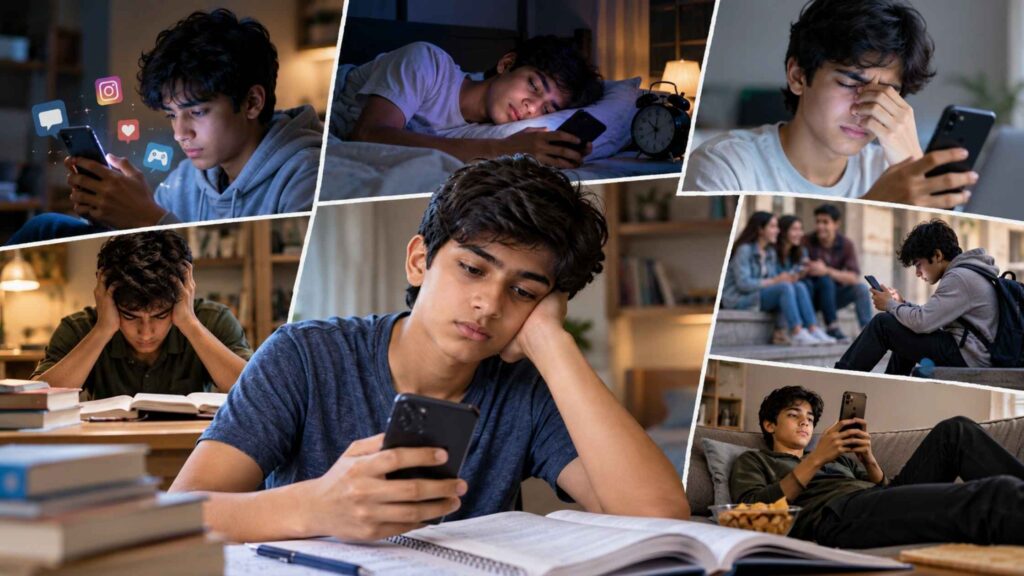
Mobile phones can affect different areas of student life when their use is excessive or poorly managed. Some effects may appear slowly while others can become noticeable in daily activities. Here are ten common problems that students and parents should understand.
1. Reduced Concentration and Focus
Concentration is important for learning. Students need to pay attention while reading, solving questions and listening to teachers. Frequent mobile phone use can make this difficult.
Notifications, messages and social media updates can interrupt study time. Even a quick check of a message can break the flow of learning. After checking the phone, a student may take time to return to the original task.
For example, a student may sit down to study for an hour but keep checking messages every few minutes. This can make it harder to understand a chapter or complete an assignment.
Using a phone for several activities at once can also divide attention. A student may try to read a lesson while replying to messages or watching short videos. Switching between these activities can make it difficult to give full attention to one task.
2. Decline in Academic Performance
Excessive mobile phone use can affect academic performance by taking time away from important school activities.
Students need enough time for homework, revision, reading and exam preparation. When entertainment or social media takes up a large part of the day, these activities may get less attention.
Some students delay their assignments because they spend more time watching videos or playing games. Others may rush through homework at the last moment. This can affect the quality of their work and their understanding of different subjects.
The disadvantages of mobile phones for students become more noticeable when phone use starts replacing regular study habits. Students may miss important revision sessions and find it difficult to prepare properly for exams.
Mobile phones can support education through learning apps and online study material. However, their educational value depends on how students use them. When entertainment takes priority over schoolwork, academic responsibilities may suffer.
3. Sleep Problems and Fatigue
Good sleep is important for the growth and learning of students. It helps the body rest and allows the brain to process information from the day.
Using a mobile phone late at night can delay bedtime. Students may plan to watch one video but continue scrolling through social media or playing games for much longer than expected.
This habit can reduce the total time available for sleep. Late-night notifications and messages may also disturb students after they have gone to bed. As a result, they may not get enough rest before the next school day.
Students who do not get enough sleep may feel tired during school hours. They may also find it harder to concentrate, remember information and take part in classroom activities.
According to the Centers for Disease Control and Prevention (CDC), children and adolescents who do not get enough sleep are more likely to experience attention and behaviour problems. This shows why proper sleep is important for both health and learning.
4. Digital Eye Strain and Vision Discomfort
Spending long periods looking at a mobile screen can cause eye discomfort. This problem is often called digital eye strain.
Students who use phones for online classes, reading and entertainment may experience symptoms such as:
- Dry or irritated eyes
- Blurred vision for a short time
- Headaches
- Tired or uncomfortable eyes
- Difficulty focusing after long screen sessions
People may also blink less often when looking at screens. This can make their eyes feel dry. Bright screens, glare and poor lighting may add to the discomfort.
Holding a phone too close or using it for a long time without breaks may make the problem worse. Students who already spend several hours studying on a screen may experience more discomfort when they also use their phones for entertainment.
Eye discomfort should not be ignored if it continues. Students should speak to a parent and seek advice from an eye care professional when needed.
5. Problematic Mobile Phone Usage
Mobile phone use becomes a concern when students find it difficult to control their habits.
Some students check their phones without any clear reason. They may feel the need to look at every notification or become restless when the phone is not nearby. Even when they have other important tasks, they may keep thinking about checking their devices.
This behaviour can affect daily routines. A student may delay homework, ignore household responsibilities or spend less time on hobbies because of repeated phone use.
Other warning signs may include:
- Checking the phone during every short break.
- Feeling uncomfortable when unable to access the phone.
- Using the phone longer than planned.
- Ignoring important tasks because of mobile usage.
- Losing interest in offline activities.
These signs do not automatically mean that a student has a medical addiction. However, they may show that phone habits are becoming difficult to manage and need attention.
6. Increased Stress and Anxiety
Social media allows students to connect with friends and share their interests. However, constant exposure to online content can sometimes create emotional pressure.
Students may compare their appearance, lifestyle, marks or achievements with what they see online. They may feel that other people are more successful or happier. This comparison can affect their confidence and create unnecessary pressure.
Some students also feel pressure to reply to messages quickly or stay updated with every online discussion. Negative comments, online arguments and a lack of privacy can add to this stress.
Online experiences affect different students in different ways. Not every student will experience anxiety because of mobile phone use. However, unhealthy online habits can add pressure to an already stressful school routine.
Students should remember that social media does not show the complete picture of the life of another person. Online posts often show selected moments rather than everyday experiences. Comparing real life with these selected moments can create unrealistic expectations.
7. Reduced Physical Activity and Poor Posture
Students need regular physical activity for healthy growth. Outdoor games, walking, cycling and exercise help keep the body active.
When students spend too much free time on mobile phones, they may become less interested in physical activities. Long hours spent sitting and watching videos or playing games can reduce the time available for movement.
Poor posture is another concern. Looking down at a phone for long periods can put pressure on the neck and shoulders. Sitting in the same position for extended periods may also cause back discomfort.
8. Weak Social and Communication Skills
Mobile phones make communication easy, but excessive use can reduce opportunities for face-to-face interaction.
Students learn important social skills by talking to others, listening, sharing ideas and working in groups. These experiences help them understand different opinions and express their thoughts clearly.
If a student spends most of their free time on a phone, they may get fewer chances to practise these skills. They may also miss conversations with family members and friends.
For example, a student who checks messages during family meals may not take part in discussions. Similarly, students who prefer online conversations may spend less time interacting with classmates in person.
Face-to-face conversations also help students understand facial expressions, tone of voice and body language. These abilities are important in everyday communication.
Mobile phones are useful for staying connected, but they should not replace real-life relationships.
9. Cyberbullying and Exposure to Inappropriate Content
The internet gives students access to information and entertainment. However, it also exposes them to online risks.
Cyberbullying is one such risk. It happens when someone uses digital platforms to threaten, insult, embarrass or harass another person. It may take place through messages, social media posts, group chats or shared images.
Students who experience cyberbullying may feel upset, worried or embarrassed. They may become uncomfortable using online platforms or hesitate to talk about what has happened. In some cases, online harassment can also affect their confidence and school life.
Students may also come across content that is not suitable for their age. Such content may include violent images, harmful messages or misleading information. Some websites and online interactions may put their privacy and safety at risk.
Parents and teachers should create an environment where students feel safe discussing online problems. Students should never feel that they have to handle cyberbullying alone.
10. Reduced Creativity and Independent Thinking
Creativity develops when students get time to explore ideas, ask questions and think independently. However, excessive mobile phone use may reduce the time available for these activities.
For example, a student who watches videos whenever they feel bored may get fewer chances to create their own ideas or find new ways to solve problems. Similarly, copying ready-made answers from the internet without understanding them can reduce opportunities to practise independent thinking.
Over time, this habit may reduce their confidence in solving unfamiliar problems and exploring different ideas.
Mobile phones can also be useful learning tools. Students can use them to explore new subjects, understand difficult topics and find helpful information. The impact depends on how they use them. Excessive dependence on ready-made digital content can limit opportunities to think and learn independently.
Why Are Students Spending More Time on Mobile Phones?
There are several reasons why students spend more time on mobile phones today. Understanding these reasons can help parents and teachers guide them better.
Social media and short-form videos: Platforms offer a continuous stream of videos, photos and updates. Students may keep scrolling because new content is always available. This can make it difficult to notice how much time has passed.
Online gaming and entertainment: Mobile games, videos and streaming services provide easy entertainment. Some students spend more time on these activities than they planned. Online games may also encourage players to return regularly for new levels or rewards.
Peer pressure: Students may feel the need to stay active in group chats and online communities to remain connected with friends. They may worry about missing conversations or being left out of social activities.
Easy access to smartphones and the internet: Many students have access to personal devices and internet connections. This makes mobile entertainment available throughout the day, including during study time and before bedtime.
Digital learning and online classes: Educational apps, online lessons and digital study material have made smartphones useful for learning. However, students may move from study content to entertainment apps during the same session.
The aim should not be to stop students from using technology. It should be to help them understand the difference between useful screen activities and unnecessary phone use.
How to Reduce the Harmful Effects of Mobile Phones on Students
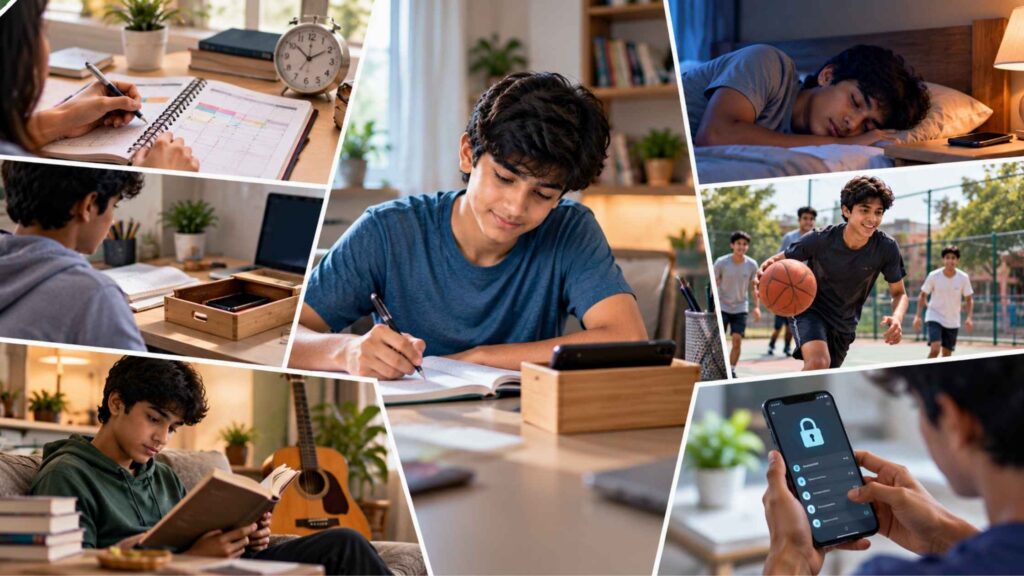
Students do not need to stop using mobile phones completely. They need to develop habits that allow them to use technology without letting it control their daily routine. A few practical steps can make mobile usage more balanced.
Set a Healthy Mobile Usage Routine
Create a daily schedule that gives enough time to studies, rest, outdoor activities and entertainment. Decide when the phone can be used for personal activities. A clear routine can help students understand how much time they are spending on their devices.
Keep Phones Away During Study Time
Keep the phone in another room or away from the study table while completing homework. Turn off unnecessary notifications or use focus mode. Check the phone during planned breaks instead of every few minutes. This can reduce interruptions and make study sessions more useful.
Avoid Mobile Usage Before Bedtime
Stop using the phone before going to sleep. Keep it away from the bed so that messages and notifications do not disturb rest. Follow a regular bedtime and wake-up routine. A quiet bedtime routine can help students prepare for sleep.
Encourage Outdoor Sports and Physical Activities
Take part in sports, cycling, walking or other outdoor activities. Physical movement gives students a healthy break from screens and creates opportunities to interact with others. Schools and families can help by making sports and outdoor activities a regular part of student life.
Develop Reading and Creative Hobbies
Read books, draw, paint, write stories or learn a musical instrument. These activities provide enjoyable ways to spend free time without depending on a mobile phone. Students can also explore hobbies that match their interests and skills.
Follow Safe and Responsible Internet Practices
Use privacy settings and avoid sharing personal information online. Never share passwords with unknown people. Do not open suspicious links or files. Block and report harmful accounts when needed. Students should tell a trusted adult if they receive threatening messages or experience cyberbullying.
How Parents and Schools Can Encourage Healthy Mobile Habits
Students need support from both home and school to develop responsible digital habits. Clear rules and regular conversations can make it easier for them to understand when and how to use mobile phones.
Role of Parents
Parents can guide children by setting reasonable rules for mobile phone use. These rules should match the age of the child, their daily routine and their learning needs.
They can also:
- Set clear and reasonable rules for daily mobile usage.
- Talk openly with children about their online experiences.
- Set a good example by managing personal screen time.
- Notice changes in sleep, studies and social behaviour.
- Listen to children when they face problems online.
Instead of only taking away a phone, parents should explain why healthy usage matters. Children are more likely to follow rules when they understand the reasons behind them. Parents should also guide children with patience and encourage responsible digital habits.
Role of Teachers and Schools
Schools can help students understand the benefits and risks of digital technology. Teachers can discuss online safety, responsible internet use and the importance of balancing screen activities with other parts of life.
Schools can also encourage classroom participation, group projects and discussions. Clear rules about phone use during lessons can reduce unnecessary distractions. Teachers can guide students in using digital tools responsibly for research and classroom learning.
When parents and teachers follow a similar approach, students receive clearer guidance about responsible mobile phone use.
Conclusion
Mobile phones are useful tools for learning and communication, but excessive use can affect concentration, academic performance, sleep, health and social life. Understanding the 10 harmful effects of mobile phones on students is an important step towards building better digital habits.
Students, parents and schools all play an important role in developing healthy mobile phone habits. With proper guidance and responsible usage, students can enjoy the benefits of technology without allowing it to interfere with their growth and education.
Looking for the right school for your child? Visit Alok Sansthan today and take the first step towards a brighter future.
Frequently Asked Questions
1. What are the negative effects of mobile phones on students?
Mobile phones can affect concentration, studies, sleep, eyesight, physical activity and social skills when used excessively.
2. How do mobile phones affect students studies?
Excessive phone use distracts students, reduces study time and makes it harder to focus on homework and exams.
3. How many hours should students use mobile phones daily?
There is no single time limit for every student. Usage should depend on age, educational needs and daily activities.
4. Can mobile phones cause sleep problems in students?
Yes. Using phones late at night can delay sleep and reduce sleep time, making students feel tired the next day.
5. How can students avoid mobile phone addiction?
Students can set screen time limits, avoid unnecessary notifications, keep phones away while studying and spend more time on outdoor activities.