



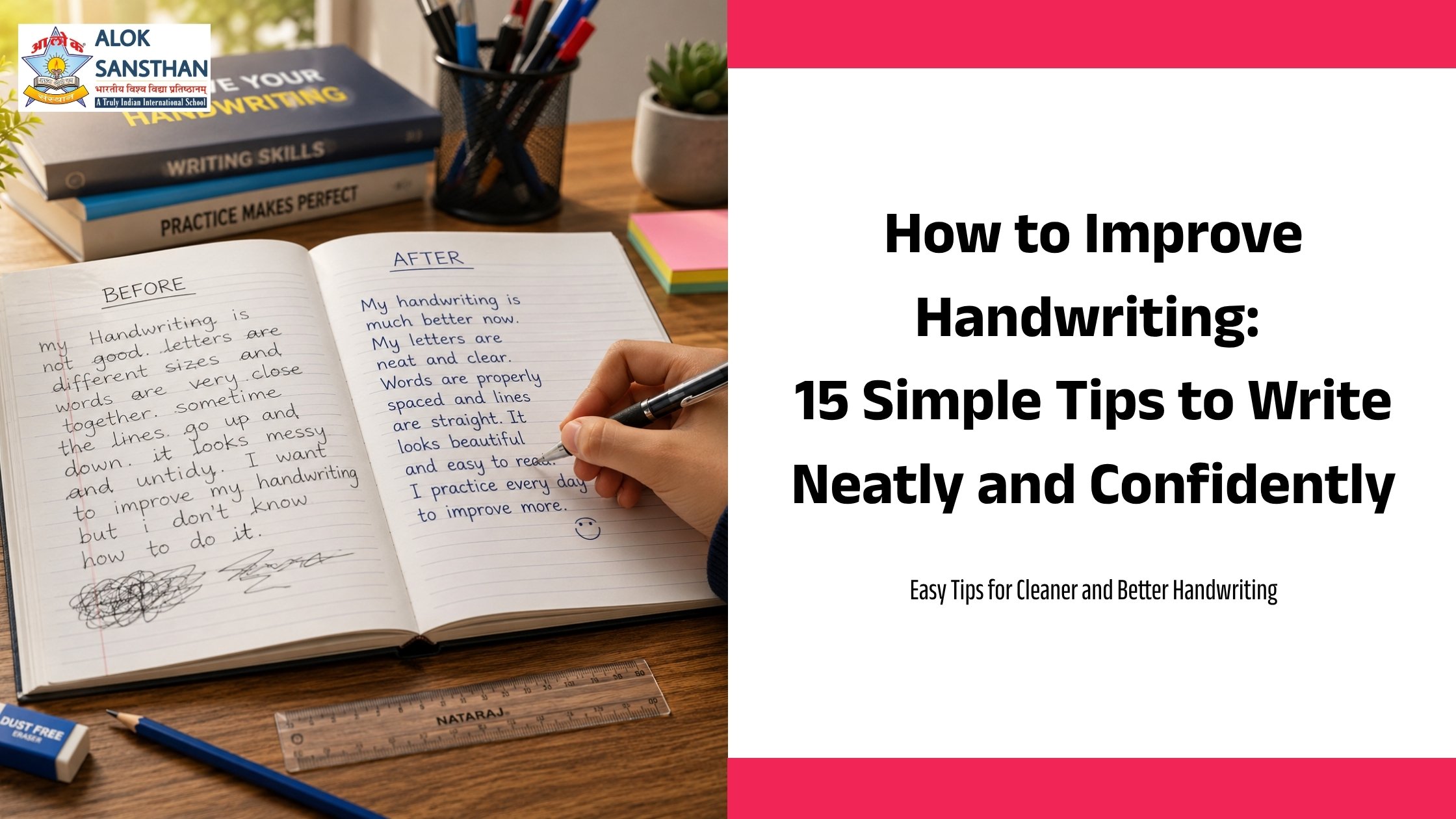

Many people are wondering how to improve their handwriting since typing can take up a lot of time. The act of picking up a pen may be a bit awkward if you’re not practicing. Writing with your hands is a very personal and important talent. Writing clearly helps students do higher on tests and help adults make a great professional impression.
This guide will demonstrate how to improve your handwriting by following a few simple steps. Learn practical handwriting techniques to help you build confidence and writing skills that are beautiful. We will discuss simple ways to practice so that you will see quick results without being overwhelmed.
Why Good Handwriting Still Matters
Writing is quick, but typing is a direct link between your mind and your fingers. Making letters on paper develops solid neural connections. This physical process boosts memory and aids in learning more quickly about new concepts. Notes written by hand generally have better understanding of concepts than students who type.
A note that is written in hand is a sign of dedication and care. People are happy to read a well-written note or card. The best handwriting advice usually focuses on the personal benefits. A clear writing style makes communication easier for everyone. It can prevent costly mistakes made by notes that aren’t read at school or at work.
Common Reasons for Poor Handwriting
The writing that’s messy is not a result of on its own. Many people have trouble because they developed poor writing habits early in the course of their lives. A tightly gripped pencil or improper writing posture creates immediate stress within your hands. This tension in your hands makes effortless movements almost impossible.
Many students attempt to write too quickly before they have mastered the basics of hand control. This can lead to messy writing and poor spacing of words. Insufficient fine motor skills may make it difficult to hold a pen. If you don’t practice it regularly, your hands will become less consistent in writing and lose control.
15 Simple Tips to Improve Handwriting
There is no need for the ability to write with precision. These basic guidelines can help you develop your writing skills rapidly and effortlessly.
1. Fix Your Writing Posture
Straighten your posture and place your feet down on the flooring. An upright posture helps you write without back strain as well as gives your arms room to move. Place your writing hand on the paper to ensure it stays in place. Don’t slouch on your desk, as it can make you exhausted quickly.
2. Check Your Pen Grip
The grip of your pen controls everything. Place your pen gently between your index finger and your thumb. The pen should rest comfortably upon your middle finger. A comfortable grip prevents your hand from becoming tired and helps prevent painful cramps.
3. Choose the Right Tools
A comfortable pen can change the way you write. Gel pens glide effortlessly across the paper, while pencils provide greater control and more friction. Try different options to determine what is most comfortable to your hand.
4. Focus on Letter Formation
Be aware of the manner in which your drawing each letter. Start at the top, then move down. The correct formation of letters helps make your handwriting improvement journey considerably more simple. Learn to write single letters with care before writing words in full.
5. Maintain Consistent Letter Size
Neat handwriting requires uniform letters. Be sure that all lowercase letters are of the same size. The letters that are tall like ‘t” and ‘h’ should have the same top line. Consistency in visuals makes text accessible.
6. Adjust Your Word Spacing
Words that are pushed too closely together can be very difficult to read. Make sure to leave enough space between words to accommodate an o-shaped letter. If you are struggling with this, put the tip of your finger between the words to use to help you determine the correct order.
7. Pay Attention to Line Spacing
Make sure your letters are straight on the base line. Make sure that tall loops do not extend into the text below or above. A clear line spacing keeps your page from appearing messy and also makes your handwriting gorgeous.
8. Slow Down Your Writing Speed
The majority of people want to know how to increase the speed of their handwriting instantly. It is essential to slow down your writing first. Fast writing causes sloppy mistakes. Make sure you are focused on writing accuracy before you attempt to write more quickly.
9. Write on Lined Paper
Blank paper gives you zero guidance. Use lined sheets whenever you are looking for improvement in your handwriting. Lines help you keep your letters straight and maintain correct proportions when you practice.
10. Do Daily Finger Exercises
Strong hands create smooth lines. Stretch your fingers before you start writing. Simple finger exercises will warm your muscles, and help improve the overall hand control. This will help reduce cramps and aches when writing for long periods of time.
11. Build Muscle Memory
Make continuous loops, circular, and Zygzags. These fun handwriting drills will teach your muscles to move effortlessly. Muscle memory that is strong lets you form perfect letters without thinking about them.
12. Keep Your Hand Relaxed
A pen squeezed tightly can lead to hands hurt and shaky lines. You can shake your hand out if it feels stiff. A relaxed hand produces smooth strokes and improves handwriting.
13. Check Your Paper Angle
Your paper shouldn’t be in a straight line. Make it tilt slightly to correspond with how your arms naturally curve. Right-handed writers must tilt the left-hand top corner up. This helps improve hand-eye coordination.
14. Analyze Your Handwriting
Write a brief paragraph and examine it carefully. Look for specific areas in which you require assistance. Perhaps your slants don’t match and your loops may be small. Practice with a specific goal will produce quicker results than a random writing.
15. Create a Handwriting Routine
It takes time and perseverance to improve. Make a point of ten minutes every throughout the day to practice handwriting. Handwriting practice every day builds the skills that will last longer that writing for hours each week.
Essential Tools for Handwriting Practice
The right tools make getting better handwriting much simpler. It is not necessary to purchase expensive products to witness amazing improvements. Start with a high-quality lined sheet that doesn’t let ink run through. Notebook paper is ideal for everyday practice.
Make sure you use a pen with an ergonomic rubber grip. It stops the fingers of sliding towards the paper. Pencils are great for beginning students since you can erase any mistakes immediately. Have a soft eraser and sharpener of your choice nearby. Making use of the right tools can ease the stress and allows you to focus completely on your handwriting.
Handwriting Exercises for Students
Students need activities that are engaging to keep them engaged. Simple drawing exercises aid in building fine motor skills but don’t feel like boring work. Straight lines as well as precise circles helps improve the writing ability dramatically.
Another excellent exercise is to copy the text of a book that you love. Students are forced to imitate correct punctuation and spelling. Connecting dots and tracing big letters can be great handwriting exercises for young learners. Tracing regularly helps develop strong habits of foundational development early on.
Common Handwriting Mistakes to Avoid
The act of writing with just the fingers of your hands is a serious error. It is best to use your entire arm to steer you pen over the page. Writing with fingers restricts your movement and leads to a lot of fatigue in your hands extremely quickly.
Another error that can be made is to apply excessive pressure. Applying too much pressure can slow you down and causes damage to the paper under your pen. Make sure to write as gently as you can. Do not use dull pencils or dry-out pens since they require you to press more forcefully.
Daily Handwriting Practice Routine
Consistency is the only way to the success. Begin your day by warming your hands for about two minutes. In the following three minutes, you will be creating basic shapes and writing loops that continue to form the rhythm.
Take the remaining five minutes to create sentences. You could copy a quote or write a brief journal entry, or write an email. By keeping this extremely organized ten-minute schedule helps you stay to your tips for improving your handwriting.
How Parents Can Help Children Improve Handwriting
Parents play a huge part in helping children develop excellent handwriting habits. Make sure you have a calm and well-lit space for studying at your home. Make sure your child is sitting at a desk that’s their height.
Be sure to praise their effort over and above instead of pointing out small errors. Get fun stationery, such as vibrant pen and textured paper to make practicing fun. Are you looking to improve your the handwriting skills at home? Doing it with your child can be a great source of motivation and encouragement.
Benefits of Good Handwriting
Writing that is clear and concise can directly impact academic achievement at any level. Teachers can quickly examine and grade neat exams. Handwriting that is neat and professional gives students tremendous confidence when they are sharing their work with peers or their parents.
For adults, a neat and tidy writing style shows professionalism during meetings. Making notes clearly helps you recall important information of important conversations. Handwriting that is beautiful and neat is a practical skill that can serve you at every stage of your life.
Final Thoughts
Making improvements to your handwriting can be a rewarding experience that is a matter of daily commitment. Correcting your posture, changing your grip, and slowing down are extremely efficient steps. Handwriting that is beautiful is not an accident. It is the result of deliberate habitual practice and the right daily routines.
Find a comfortable pen as well as some lined papers to start your exercise today. Keep practicing and keep celebrating small gains along the way. Writing in a neat manner gives you a lot of confidence to communicate your thoughts in a clear manner with those around you.
Good handwriting is an important life skill that grows with the right guidance and regular practice. At Alok Sansthan, we focus on building strong academic foundations along with essential skills that help students learn, write, and communicate with confidence.
Frequently Asked Questions
What is the fastest way to improve your handwriting?
The fastest way to improve your handwriting is to practice for 10 to 15 minutes every day. Focus on proper pen grip, correct posture, consistent letter size, and slow writing before increasing your speed.
How to improve handwriting in 7 days?
You can improve your handwriting in 7 days by following a daily practice routine. Spend a few minutes on letter formation, spacing, finger exercises, and writing short paragraphs slowly to build better control and consistency.
What are the 5 S’s of handwriting?
The 5 S’s of handwriting are Shape, Size, Spacing, Slant, and Speed. Paying attention to these five elements helps make your handwriting neat, readable, and consistent.
Can adults improve their handwriting?
Yes. Adults can improve their handwriting with regular practice and the right techniques. Improving pen grip, posture, and letter formation while writing consistently can lead to noticeable results over time.
How long does it take to improve handwriting?
Most people notice small improvements within one to two weeks of daily practice. Developing neat and consistent handwriting usually takes several weeks of regular practice and patience.