

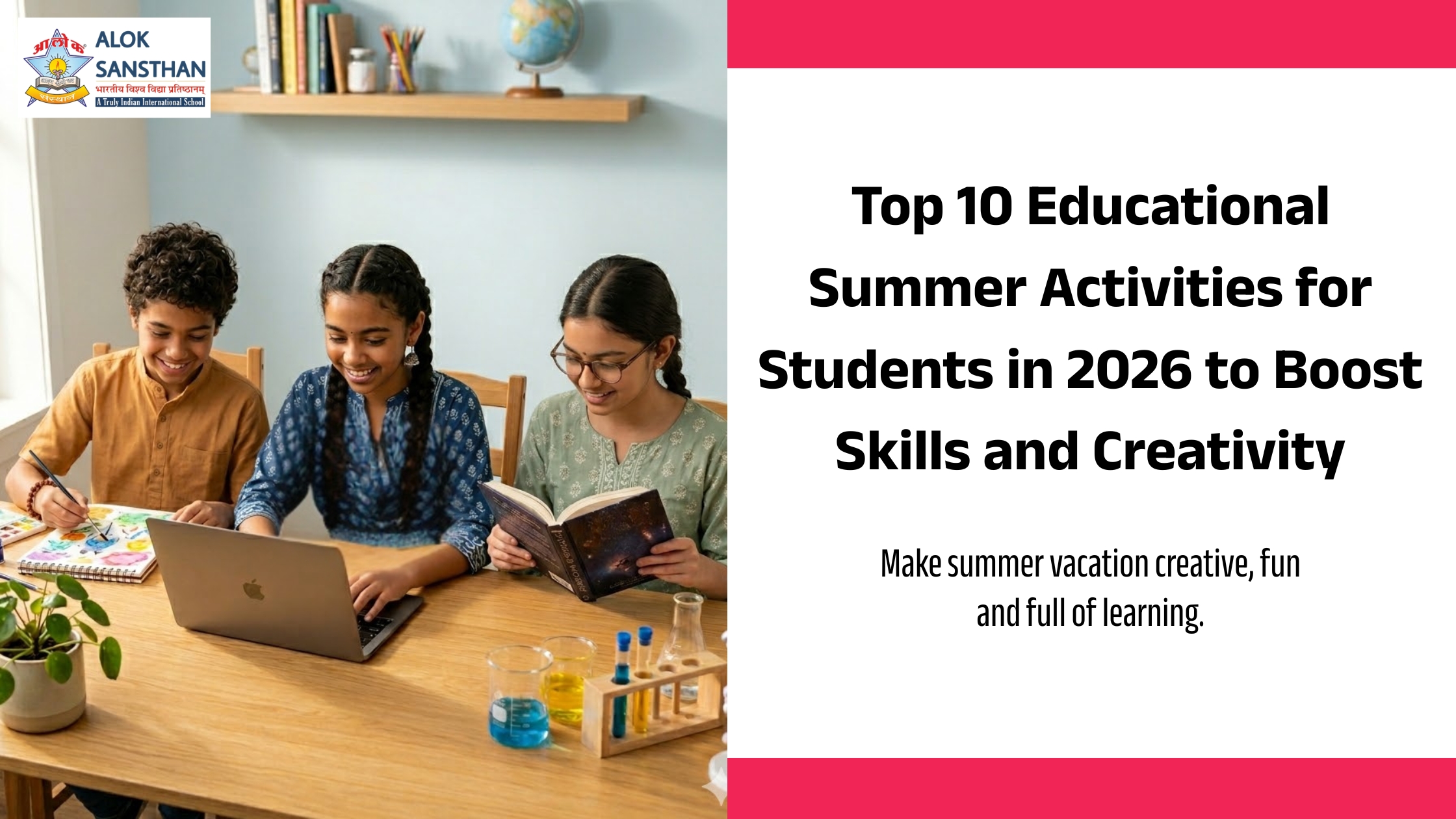
Summer vacation is exciting for about ten days. After that, most kids do not know what to do with themselves. They wake up late, watch videos for hours and by the time vacation ends, nothing really happened. No new skill, no memorable experience, nothing.
Every parent has seen this. And honestly, it is not the child’s fault.
The problem is not laziness. The problem is that nobody gave them something genuinely interesting to do. That is exactly what this article is about. The right summer activities for students do not feel like studying. They feel like exploring and that small difference changes everything.
Summer does not have to be wasted. Let us get into it.
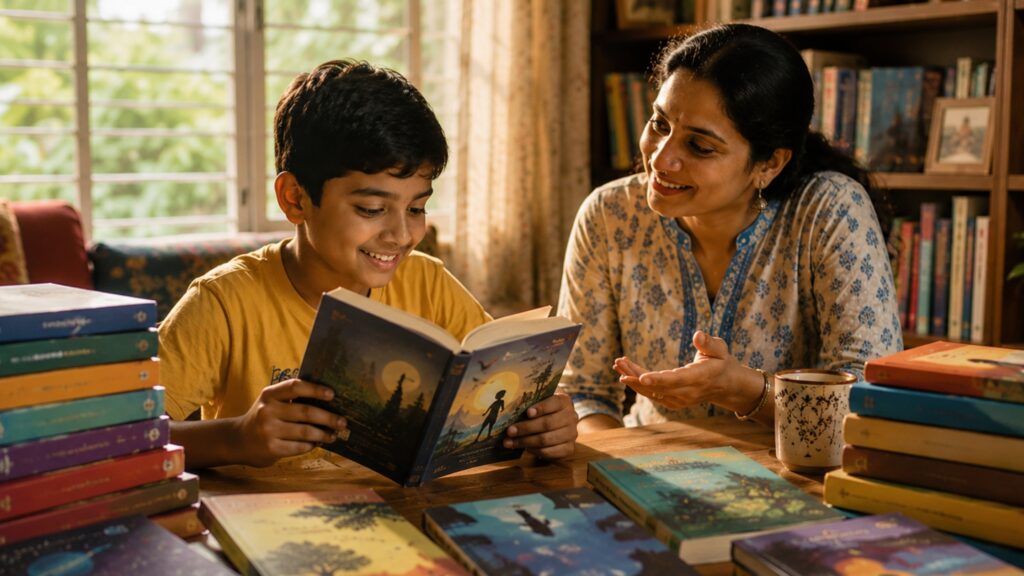
1. Reading, But Make It Their Choice
Most kids hate reading because someone else always picks the book. Change that one thing and everything shifts.
Let them walk into a bookstore or library and pick whatever they want. A detective story, a book about dinosaurs, a comic series, a real life adventure story. Anything. When a child chooses the book, they actually open it.
To make it even better, try this. After every few chapters, ask one simple question. “What was the most surprising part?” That one question turns passive reading into active thinking. No journal needed, no homework feeling. Just a conversation.
Students who read during summer come back to school sharper. Vocabulary grows quietly. Focus improves. Writing gets better without anyone even trying. That is the kind of learning that actually sticks.
2. Coding Is Easier Than Most Parents Think
A lot of parents hear the word “coding” and immediately imagine something complicated and expensive. It is neither complicated nor expensive.
Websites like Scratch and Code.org are completely free and designed for kids as young as eight. No installation, no complicated setup. Just open a browser and start building something.
Younger kids can make animated stories or simple games. Older students can try basic Python or build a small webpage. Either way, one hour a day over a two month summer adds up to something real.
Here is what most people miss about coding. It is not just a technical skill development activity. It teaches a child how to think logically, how to stay calm when something breaks and how to fix problems step by step. Those habits carry into every subject at school and honestly into life as well.
3. Science Experiments That Actually Excite Kids
Forget labs and equipment. Some of the best educational summer activities happen in a kitchen.
Baking soda and vinegar, homemade lava lamps, growing crystals, making a simple compass. There are hundreds of experiments that need nothing more than basic household items and a curious mind.
The trick is to treat it seriously. Before starting, ask the child what they think will happen. Write it down. Do the experiment. Then write what actually happened. That simple process is exactly how real scientists work. And when a child realizes that, something clicks.
Science stops being a school subject. It becomes a way of looking at the world.
4. Summer Activities for Students: Pick Up a New Language
This one surprises people. Most assume language learning takes years before you see any results. That is simply not true.
Fifteen minutes a day on Duolingo or Babbel, done consistently over eight to ten weeks, produces real visible progress. Basic conversations, common phrases, enough to actually use in real life.
Let the child pick the language. Spanish, French, Japanese, Arabic. Anything that genuinely excites them. Interest is everything here. A child learning Japanese because they love anime will practice every single day without being asked.
Language learning also does something quietly powerful. It builds memory, sharpens focus and opens up an entire new culture. By the end of summer, a beginner student can hold a short real conversation. That feeling of progress is genuinely exciting. And once it starts, it does not stop.
5. Creative Writing With No Rules
School essays have rules. Topic is fixed, format is fixed, even the number of paragraphs is fixed. No wonder kids find writing boring.
Summer writing is different. No rules, no grades, no pressure.
Give a student a wild story prompt. A scientist who accidentally shrinks their entire school. A kid who finds a map leading to something buried in their backyard. A robot that starts feeling emotions. Watch what happens. Most kids cannot stop once they start.
This is one of the most underrated vacation learning activities out there. Creative writing builds grammar naturally, grows vocabulary without flashcards and gives students a way to express whatever they are feeling inside.
Simple ways to keep it going:
- New story prompt every Monday morning
- Read the story aloud to family on weekends
- Let them illustrate their own story if they enjoy drawing
By end of summer, writing feels less like a task and more like something they actually want to do. That shift matters a lot when school starts again.
6. Art, Drawing and Making Things
Not every child is a natural artist. That is completely fine. Art during summer is not about talent. It is about exploration.
One week try watercolors. Next week pencil sketching. Then maybe clay, paper sculpture or even digital drawing on a phone or tablet. Variety matters more than skill here. Students discover what they genuinely enjoy when they are not being graded on it.
Creative activities for students build more than just artistic ability. Spatial thinking improves. Attention to detail sharpens. Emotional expression becomes easier. And art connects naturally to other subjects: illustrating a history project, designing a poster for a story they wrote or drawing diagrams for a science experiment.
One skill quietly feeding another. That is real learning.
7. Grow Something and Watch It Happen
Gardening sounds simple. It is also one of the most complete learning experiences a student can have during the summer.
Think about what it actually covers. Biology, environmental science, patience, responsibility and basic observation skills, all at the same time. A student who grows a tomato plant from seed to fruit has experienced an entire scientific life cycle firsthand. No textbook does that.
Start small. Three or four pots on a balcony are enough. Tomatoes, beans, sunflowers or herbs all work well. Keep a simple notebook nearby to track watering days, growth and weather. That notebook becomes a real science journal without feeling like one.
And honestly, watching something grow that you planted yourself never gets old. Even for adults.
8. Math Through Games, Not Worksheets
Math is the subject most likely to fade over summer. Practice books help but kids avoid them. Games do the same job and kids actually want to play them.
Chess builds strategic thinking. Sudoku sharpens logic. Rummy and other card games involve quick mental math. Monopoly and Catan involve budgeting, probability and planning. None of this feels like studying. That is the whole point.
For something even more practical, bring math into everyday summer moments:
- Let them calculate the grocery bill before reaching the counter
- Ask them to plan a one day trip within a fixed budget
- Have them measure and double a recipe while cooking
Students who connect numbers to real situations find math far less scary when school starts. That confidence is worth more than any worksheet.
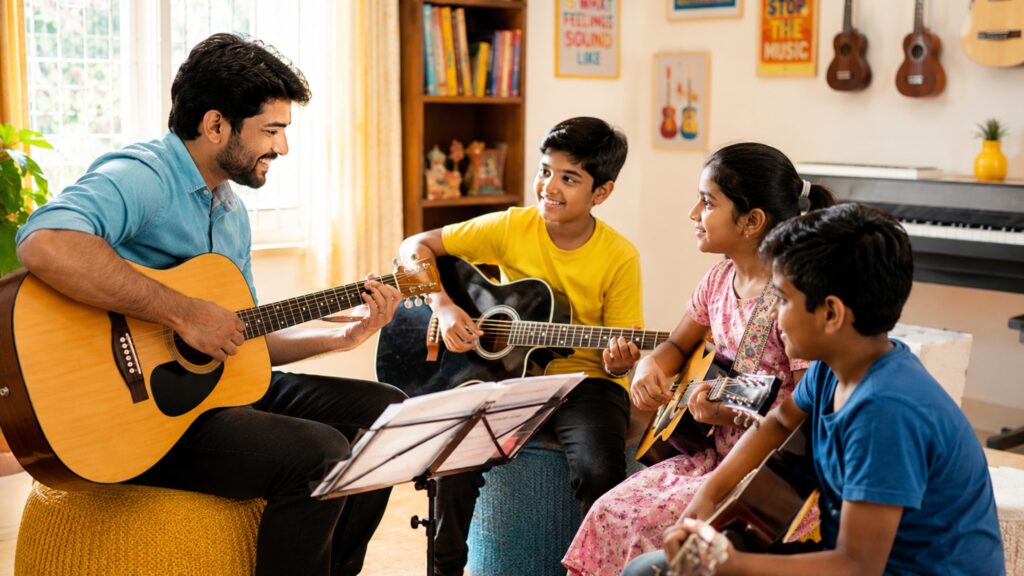
9. Learn an Instrument This Summer
Learning music is one of those summer learning ideas that gives back far more than people expect.
Research shows students who learn an instrument tend to do better in reading and mathematics as well. The way a brain processes rhythm and musical patterns actually strengthens the same areas used for language and numbers. Pretty remarkable when you think about it.
Summer is perfect for starting because there is no pressure at all. No performance, no exam, no teacher watching. Just a student and an instrument at their own pace. Ukulele, keyboard, guitar, flute or basic drumming. Beginner lessons for all of these are available free on YouTube.
Twenty minutes a day. That is all. By end of vacation, they will have something real to show for it and more importantly they will want to keep going.
10. Volunteer and See the World Differently
This is the one summer vacation activity most parents skip and it might be the most valuable one on this list.
Volunteering teaches things no classroom can. Empathy, communication, real world problem solving and genuine confidence. Not the kind of confidence that comes from getting a good grade. The kind that comes from doing something that actually matters.
Students can help at food banks, join local clean up drives, tutor younger neighborhood kids or assist at animal shelters. Many organizations genuinely welcome young volunteers and the experience they get is unlike anything else.
Community service also builds perspective. A student who spends even a few hours helping others comes back with a different way of looking at the world. That shift is quiet but it is real. And yes, it does look strong on future applications, but that is honestly the least important part of it.
One Last Thing Before Summer Starts
Nobody is saying fill every single day with activities. That misses the point entirely.
Pick one or two things from this list that genuinely excite your child. Start small. Stay consistent. A student who reads every morning and does one coding session three times a week will grow more than one who tries everything and sticks with nothing.
The best summer activities for students are the ones that do not feel like summer school. They feel like freedom with direction. And that combination is rare and genuinely powerful.
Give students the space to explore what they are good at, what they enjoy and what makes them want to keep going. That is what a productive summer vacation actually looks like. Not a checklist. A discovery.
You can naturally continue that journey by giving students a space where they can actually explore these activities in a structured and engaging environment. That is exactly what the
Alok Sansthan Summer Camp 2026 is designed for.
From sports activities like badminton, skating and basketball to AI & Robotics learning, music & art craft, communication skill improvement and even startup idea pitching through a special Shark Tank activity, the camp focuses on helping students learn beyond classrooms and explore beyond limits.
The summer camp is being organized at Alok School, Fatehpura and is absolutely free for Alok students. Parents who would like to know more about the activities, participation or camp details can simply contact the school for more information.
If you want your child to spend this summer building confidence, learning new skills, making friends and discovering new interests instead of simply spending hours on screens, this can be a genuinely valuable experience.
Stay Active. Learn New. Build Skills. Be Future Ready.
Frequently Asked Questions
Q1. What are the best educational summer activities for students?
Some of the best educational summer activities for students include reading, coding, science experiments, creative writing, music, gardening, language learning and sports activities. These activities help improve creativity, confidence and practical skills.
Q2. How can students make summer vacation productive?
Students can make summer vacation productive by learning new skills, joining educational summer camps, reading books, participating in creative activities and maintaining a healthy balance between fun and learning.
Q3. Why are summer activities important for students?
Summer activities help students stay mentally active, improve communication skills, boost creativity and build confidence. They also encourage students to explore new interests beyond academics.
Q4. What are the benefits of joining a summer camp for students?
Educational summer camps help students improve teamwork, communication, creativity and practical learning skills through activities like sports, robotics, art, music and group participation.
Q5. What skills can students learn during summer vacation?
During summer vacation, students can learn communication skills, coding, robotics, sports skills, teamwork, public speaking, music, art, logical thinking and leadership skills.