


Every parent faces this question at some point — which is the best school for my child? It is not easy. One school has good results, another has a big campus and another promises modern learning. This creates confusion.
Imagine a parent visiting schools, talking to teachers, checking fees and still feeling unsure. This is very common. Choosing the best school is not only about marks. It is about child growth, confidence and future.
Good school education shapes how a child thinks, learns and behaves. That is why parents must look beyond surface-level things. Here are simple and practical factors that truly define a quality education and help you choose the right school.
Good Teachers Make a Big Difference
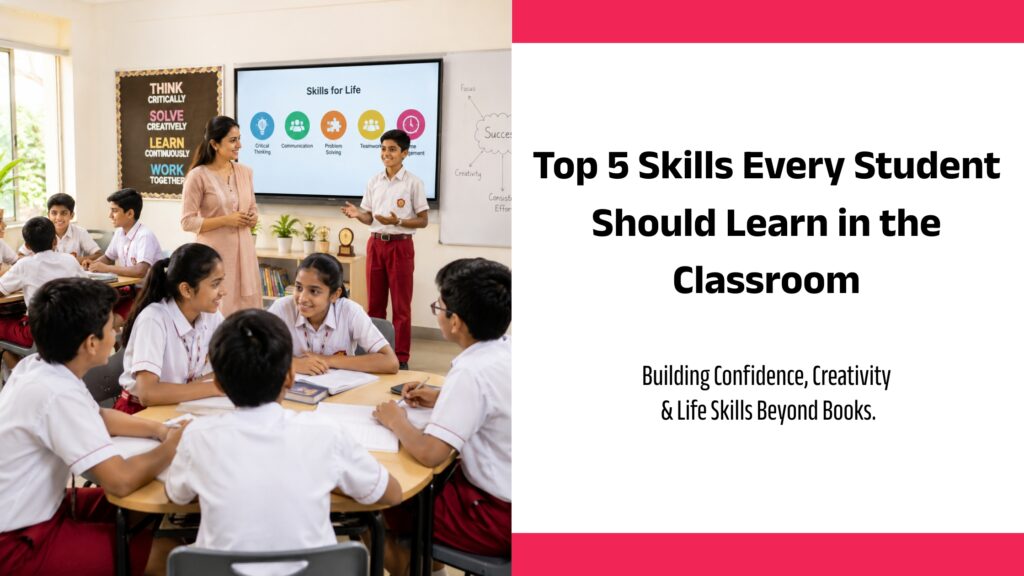
Teachers are the heart of any school. A school can have the best building, but without good teachers, learning will not happen properly.
Good teachers explain things in simple ways. They understand each child and support them. They do not only focus on books. They help students build confidence and curiosity.
- Teachers should be trained and experienced
- They should be friendly and patient
- They must give attention to every student
For example, if a child struggles in math, a good teacher will not ignore it. They will sit with the child and explain again in an easy way. This makes the child feel supported and improves learning.
Safe and Caring Environment
A child spends many hours in school, so safety and care are very important.
A safe school environment means both physical safety and emotional comfort. Students should feel relaxed and not scared. There should be proper rules, discipline and a support system.
- Clean classrooms and safe buildings
- Proper security and staff supervision
- No bullying or strict punishment culture
For example, if a child is afraid to speak in class, teachers should encourage them, not laugh or ignore them. A caring environment builds confidence and helps children grow freely.
Focus on Overall Growth
Marks are important, but they are not everything. A best school focuses on overall development.
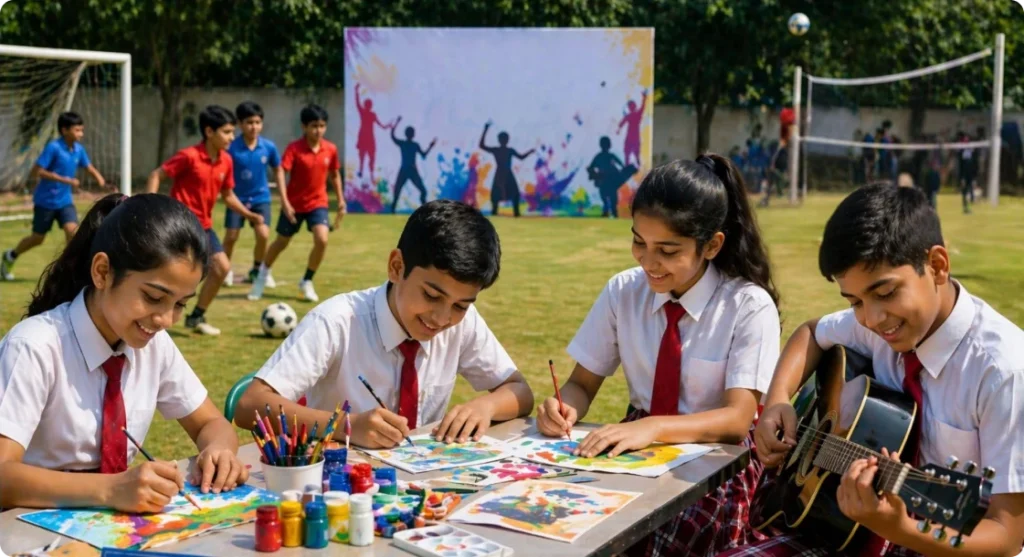
This means growth in studies, sports, creativity and personality. Children should learn communication, teamwork and problem-solving.
- Sports and physical activities
- Art, music and creative learning
- Personality development programs
For example, a child who is not very strong in studies may be great in drawing or sports. A good school will support that talent and help the child shine in different ways.
Strong Academic Foundation
Academic learning is still a major part of school education. A good school must provide a strong base in subjects like math, science and language.
Teaching should be clear and easy to understand. Students should not just memorize. They should understand concepts properly.
- Simple teaching methods
- Regular tests and feedback
- Focus on concept clarity
For example, instead of asking students to learn answers, a teacher explains why something happens. This helps a child remember for a long time and apply knowledge in real life.
Good Communication with Parents
Parents and school should work together. Good communication builds trust and helps in better child development.
A best school keeps parents updated about a child’s progress. They share both strengths and areas of improvement.
- Regular parent-teacher meetings
- Clear updates about performance
- Open communication channels
For example, if a child is not paying attention in class, school should inform parents early. This helps both sides work together and support the child better.
Balanced Use of Technology
Today, technology is part of learning. But balance is very important.
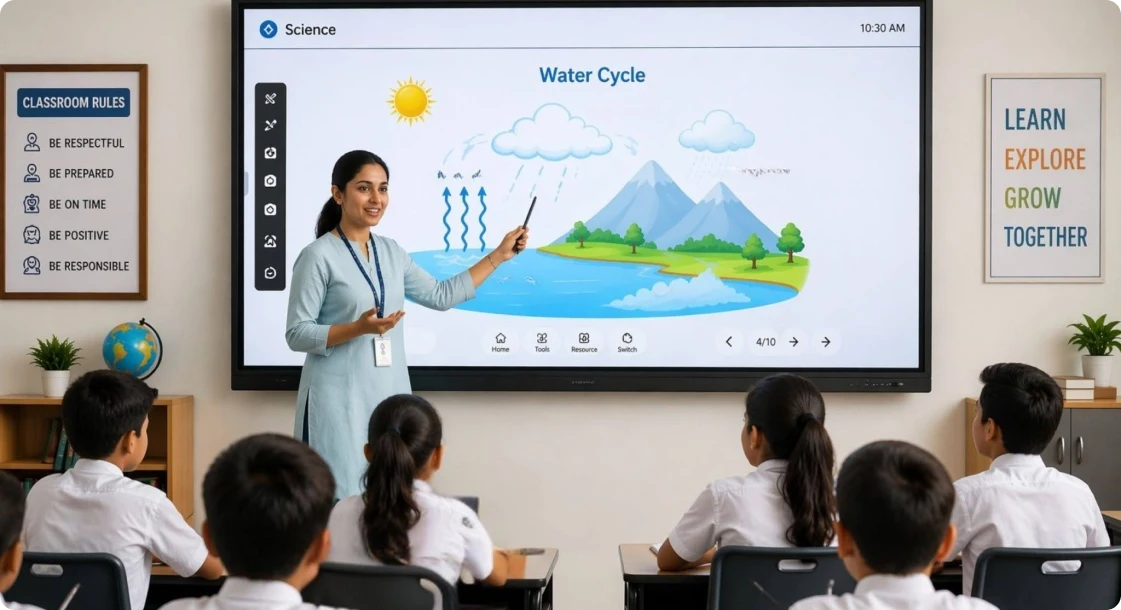
A good school uses technology to make learning interesting, not replace basic teaching. Smart boards, online tools and digital content should support learning.
- Smart classrooms
- Digital learning tools
- Controlled screen time
For example, using videos to explain science topics can make learning fun. But too much screen time can reduce focus. So balance is key in quality education.
Small Class Size and Personal Attention
In crowded classrooms, teachers cannot focus on every child. That is why class size matters.
Smaller classes help teachers give personal attention. They can understand each child better and support their needs.
- Better student-teacher interaction
- Easy doubt solving
- More focus on individual growth
For example, in a class of 20 students, a teacher can easily notice if someone is struggling. But in a class of 60, many students get ignored.
Values and Discipline
Education is not only about studies. It is also about values and behavior.
A best school teaches respect, honesty and responsibility. Discipline should be taught in a positive way, not with fear.
- Moral education
- Respect for others
- Good habits and manners
For example, teaching children to say thank you, help others and respect elders builds strong character. These values stay for life.
Extra Activities and Exposure
Learning outside the classroom is very important. Extra activities help children explore new interests.
A good school provides opportunities like competitions, trips and events. This builds confidence and real-world understanding.
- School trips and events
- Competitions and workshops
- Clubs and group activities
For example, when a child participates in a debate or sports event, they learn confidence and teamwork. These experiences are part of quality education.
Infrastructure and Facilities
Facilities also play a role in learning. A good school should have proper infrastructure.
Clean classrooms, playgrounds, libraries and labs make learning better. But fancy buildings alone do not define a best school.
- Clean and comfortable classrooms
- Library and labs
- Playground and activity areas
For example, a science lab helps students do experiments. This makes learning practical and more interesting than just reading books.
Consistent Results and Reputation
Past performance gives an idea about school quality. A good school shows consistent results over time.
But do not only look at top rankers. Check overall performance and student progress.
- Consistent academic results
- Positive feedback from parents
- Good reputation in the area
For example, if many parents are happy with a school and students perform well in different areas, it is a good sign of a best school.
Conclusion
Choosing a best school is one of the most important decisions for any parent. It shapes a child’s future, thinking and personality. A good school is not only about marks or big buildings. It is about teachers, environment, values and overall growth.
When you look for quality education, focus on real factors like teaching, safety and child development. Visit schools, ask questions and trust your observation.
Take your time before deciding. Talk to other parents and understand school culture. The right choice today can build a strong future for your child.
If possible, visit the school personally and see how students learn and interact. That will give you real clarity and confidence in your decision.
If you are looking for a best school that truly cares about your child’s growth and future, Alok Sansthan, the best school in Udaipur, is here for you. Give your child a place where learning feels easy and confidence grows every day. Enroll today or contact us for a campus visit to see how we create a strong foundation for every student.
FAQ Section
1. How can I identify a best school for my child?
Ans: Visit the school, talk to teachers and observe the environment. Focus on teaching quality and child development, not just marks.
2. Is an expensive school always better?
Ans: No, high fees do not guarantee quality education. Many schools provide good learning at a reasonable cost.
3. How important are extra activities in school education?
Ans: Very important. They help in confidence, creativity and overall growth of a child.
4. Should I choose a school based on location?
Ans: Location matters, but quality should come first. A slightly farther but better school can be a smarter choice.